Myths over price: why drivers are hesitant to buy electric vehicles
A global study reveals that misinformation, rather than high prices or charging issues, is the biggest barrier to electric vehicle adoption.
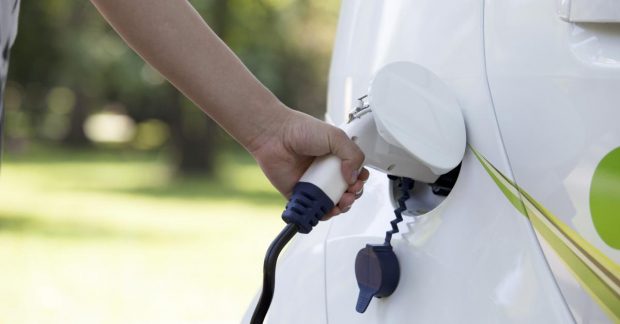 💼Economy
Photo: UNIAN
Key points
- 74% of EV drivers say misinformation is the greatest barrier to adoption
- Battery lifespan fears affect 72% of respondents, but 65% of actual owners are unconcerned
- EV registrations in Ukraine showed a downward trend in October compared to previous periods
The electric vehicle market faces hurdles rooted primarily in public perception and psychological barriers rather than economics alone. According to the Global EV Driver Survey 2026, the leading obstacle to wider EV adoption is widespread misinformation and false assumptions about the technology, overshadowing cost and infrastructure concerns.
Key driver fears versus reality
The study, conducted by the Global EV Alliance, gathered insights from nearly 30,000 drivers across 34 countries. Approximately 74% of respondents identified misconceptions about electric cars as a primary barrier to market growth. In comparison, 49% mentioned high purchase costs, and 47% pointed to difficulties in installing home charging stations.
Among the most common myths is the belief that batteries degrade quickly, cited by 72% of participants. Additionally, 58% expressed fears regarding fire risks, while 45% believed that a mass transition to EVs could cause severe power grid failures. However, actual EV owners reported a different experience: 65% stated they are not concerned about battery longevity, with only 18% expressing worry.
Information gaps and regional trends
Experts note that while many manufacturers offer extended warranties for batteries, a lack of accessible information continues to shape consumer reluctance. Ellen Heap from the organization's steering committee emphasized that successful adoption relies not only on infrastructure development and price cuts, but also on reliable information regarding vehicle capabilities and limits.
Meanwhile, regional markets continue to react to local economic factors. In Ukraine, for instance, vehicle registrations showed a cooling trend in October with just over 5,000 newly registered electric cars, largely consisting of imported used passenger vehicles.
Source UNIAN — unian.ua/economics/auto/chomu-lyudi-ne-pospishayut-kupuvati-elektro… ↗
Read next
 🏙️City
Libya accuses Ukraine of attacking Benghazi port: official response
Member of the Libyan Presidential Council Moussa Al-Koni described Ukraine's actions in the port of Benghazi as a threat to national security and equivalent to a declarat…
 🏙️City
Russia ramps up ballistic missile production: what it means for regional security
The Ukrainian Ministry of Defense reports an acceleration in Russian ballistic missile production, leading to an increased frequency of attacks across the country.
 🏙️City
Artificial vs. Natural Forests: Lessons from China’s 'Great Green Wall' Program
A large-scale study reveals that artificially planted trees grow 66% faster than natural ones but are less effective at long-term carbon sequestration.
 🛡️Security
Rosstat statistics: over 92% of Russian army losses are combat-related
An analysis of leaked Russian state statistics reveals a radical shift in mortality patterns among Russian military personnel since the start of the full-scale invasion.
 👥Society
Miraculous rescue: 7-year-old boy survives under rubble in Dymer after Russian attack
Following a Russian strike on an apartment building in Dymer, rescuers pulled out a child who spent over 13 hours trapped under concrete slabs.
 🏙️City
NATO Discusses Enhanced European Defense Post-Polish Airspace Incident
NATO ambassadors met to discuss the violation of Polish airspace and are considering the deployment of additional forces in the region.