The Quality of European Integration Reforms: Why Ukraine Stalls on Its Path to the EU
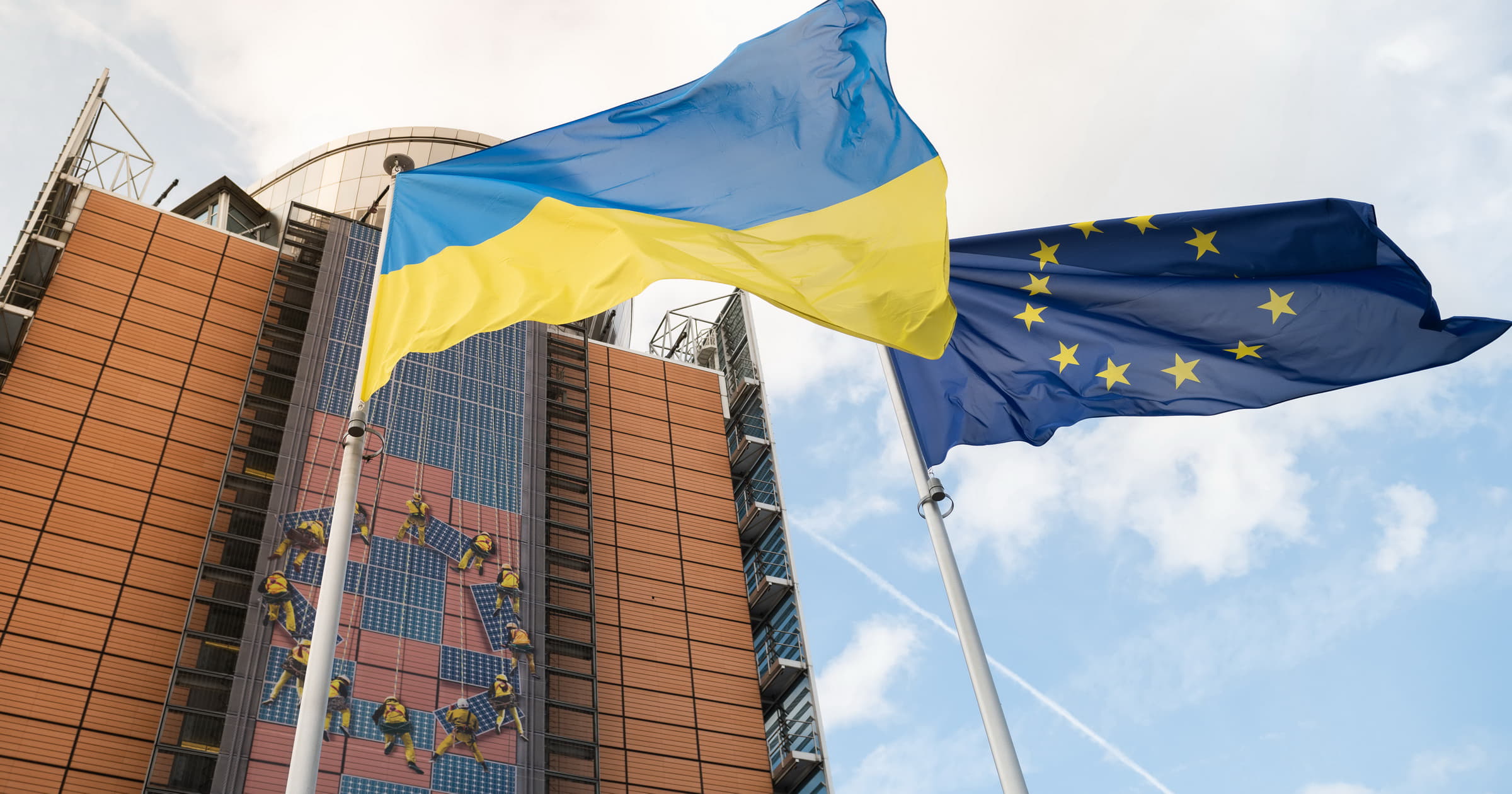
The European Commission has published a report on Ukraine's progress toward EU accession. The problem lies not only in a lack of political will, but also in the systemic unviability of decisions at the planning stage.
 🏛️Politics
Photo: Ukrainska Pravda
Key points
- European Commission publishes report on Ukraine's integration progress
- New administrative courts and waste management reforms lack procedures and resources
- Public funds and international partner resources are wasted on unviable solutions
- Involving practitioners and businesses during the drafting stage is key to success
The European Commission has released its latest report on Ukraine's European integration progress, once again highlighting unfulfilled recommendations and only partial progress in public administration. Despite actively engaging international consultants and drafting numerous bills, the quality of government decisions remains compromised by flaws in their implementation methods.
Systemic Gaps in Law Implementation
The core issue is the gap between adopting ambitious norms and the lack of real resources to implement them. For instance, specialized administrative courts established in 2025 remain non-operational due to a shortage of judges, funding, and administrative staff. A similar situation has unfolded around the waste management reform, where the law entered into force, but the necessary regulatory framework is still being finalized.
Similar difficulties arise in financial reporting, where businesses and regulators face unprepared technical infrastructure and software. Experts emphasize that setting European standards without prior testing of system-wide readiness leads to process delays and forced deadline revisions after implementation.
«The legislative creation of an institution does not yet guarantee the ability to appeal to it and receive judicial protection», — experts note in their analysis of European integration processes.
To make reforms truly work, the state must involve practitioners — businesses, communities, and relevant specialists — as early as the mechanism-drafting stage. Only this approach will prevent formal compliance funded by international partners and deliver genuine results for citizens.
Source Ukrainska Pravda — pravda.com.ua/columns/2026/11/23/8064137/ ↗
Read next
 🚌Transport
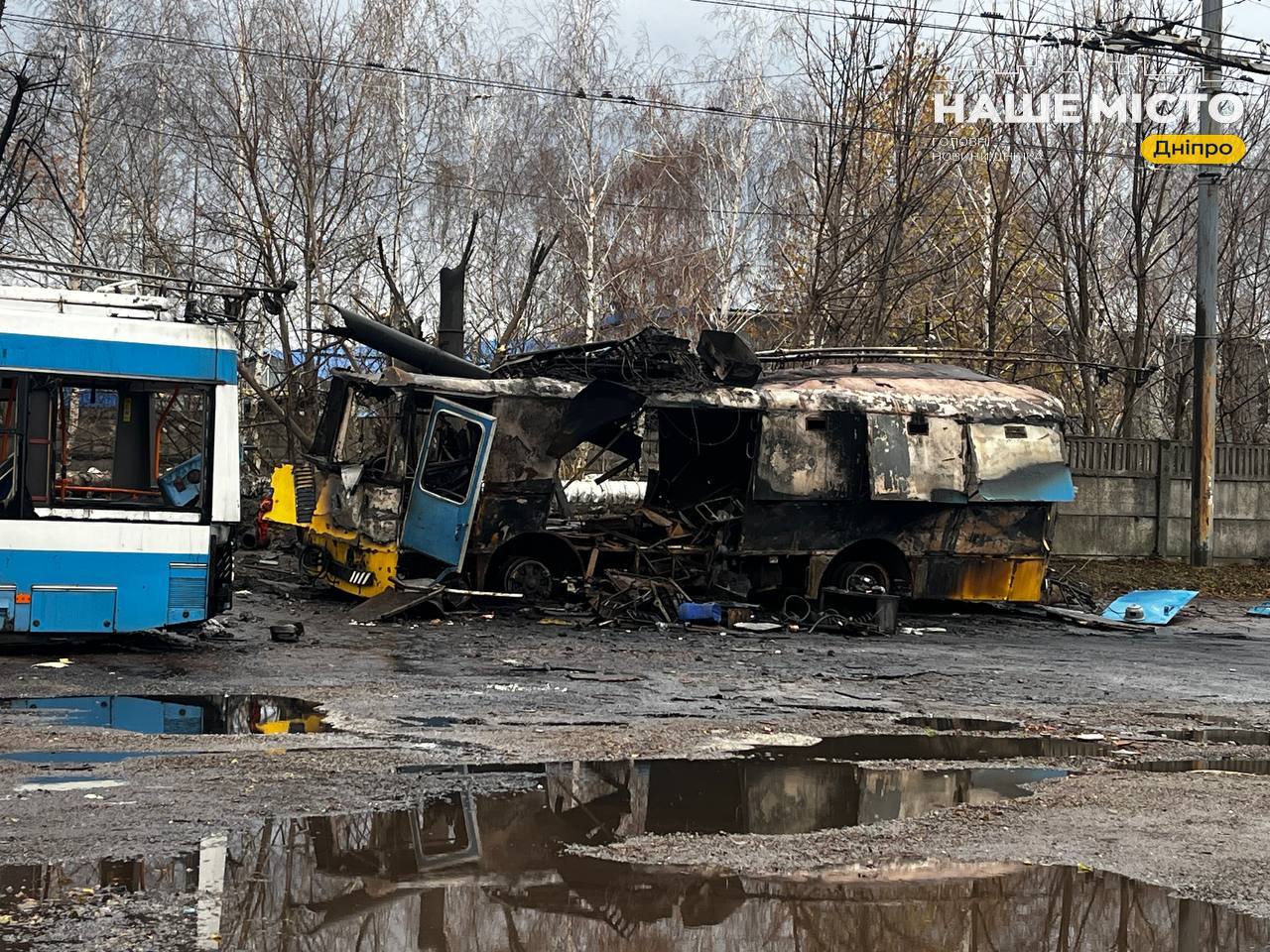
Aftermath of Enemy Attack in Dnipro: Trolleybuses and Depot Infrastructure Damaged
In Dnipro, a recent strike damaged about 15 trolleybuses and the city's electric transport infrastructure. Municipal teams plan to restore the damaged fleet within a few …
 🧠AI Analysis
Fatal accident in Kryvyi Rih region: hit-and-run driver sentenced to prison
A court sentenced a driver to six years in prison for running over a cyclist in the Kryvyi Rih district in 2023, fleeing the scene, and burning his car.
 ⚽Sport
Ukrainian Boxer Oleksandr Usyk Trades the Ring for a Basketball Court in London
World boxing champion Oleksandr Usyk participated in a charity basketball match in the British capital, playing alongside NBA legend Scottie Pippen.
 🧠AI Analysis
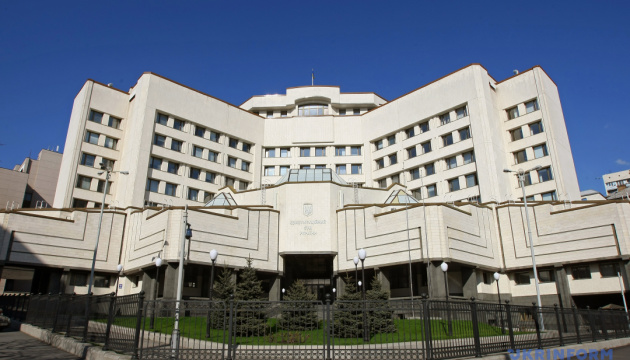
Ukraine's Constitutional Court Faces Operational Risk as Judge Count Drops to 12
The Constitutional Court of Ukraine is operating at its minimum required quorum of 12 judges, leaving one of its senates unable to process constitutional complaints from …
 🧠AI Analysis
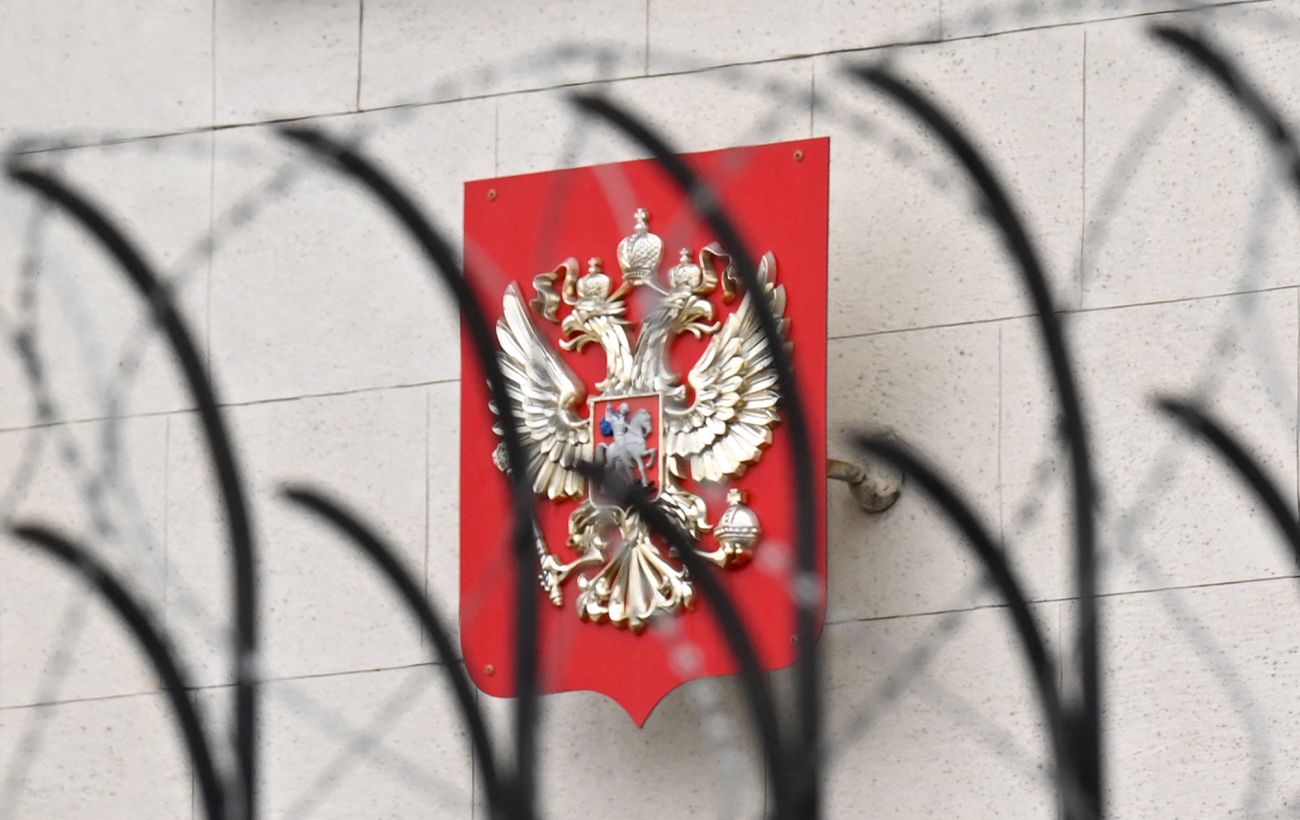
EU Prepares 22nd Sanctions Package Against Russia Targeting Crypto, Shadow Fleet, and Banks
The European Union is drafting a new set of restrictions aimed at preventing sanction evasion and cutting Russian oil revenue. The upcoming 22nd package targets cryptocur…
 🩺Health
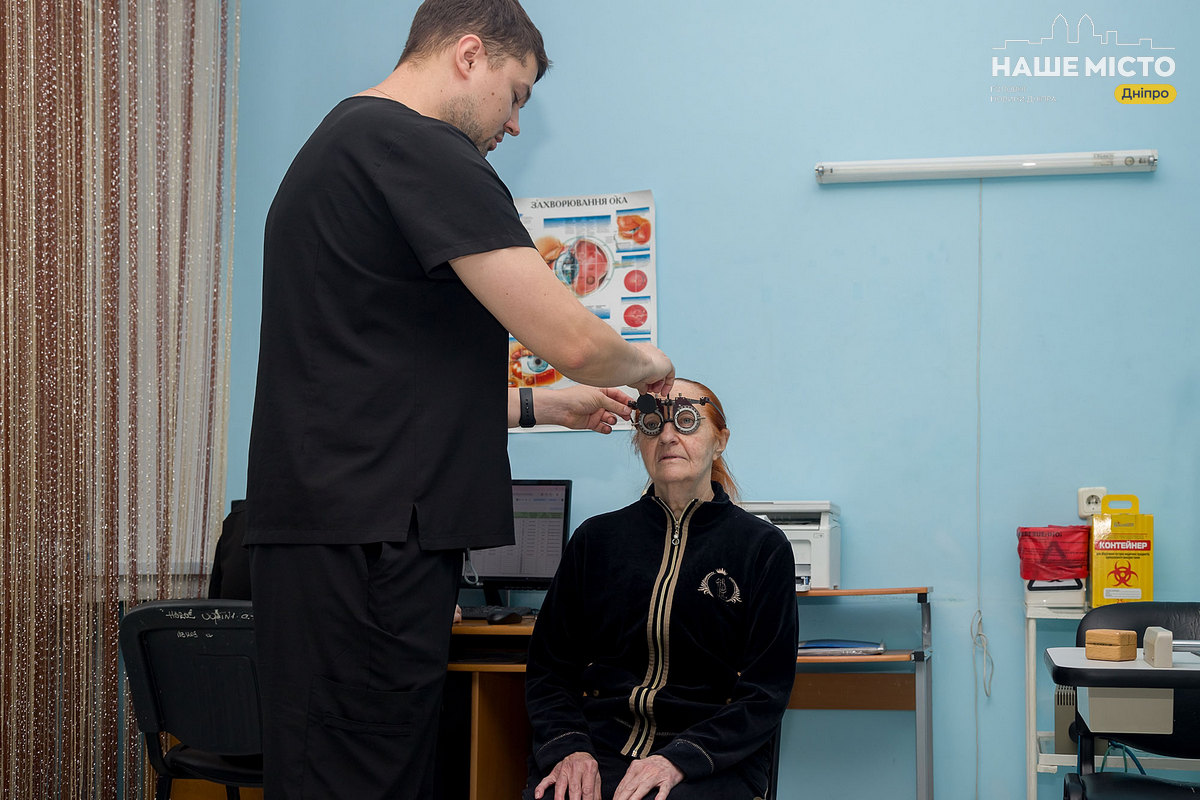
Modern Cataract Treatment: How Neighboring Dnipro Performs 10-Minute Sutureless Procedures
Doctors in neighboring Dnipro are performing minimally invasive cataract surgery using ultrasound, requiring no general anesthesia or stitches.